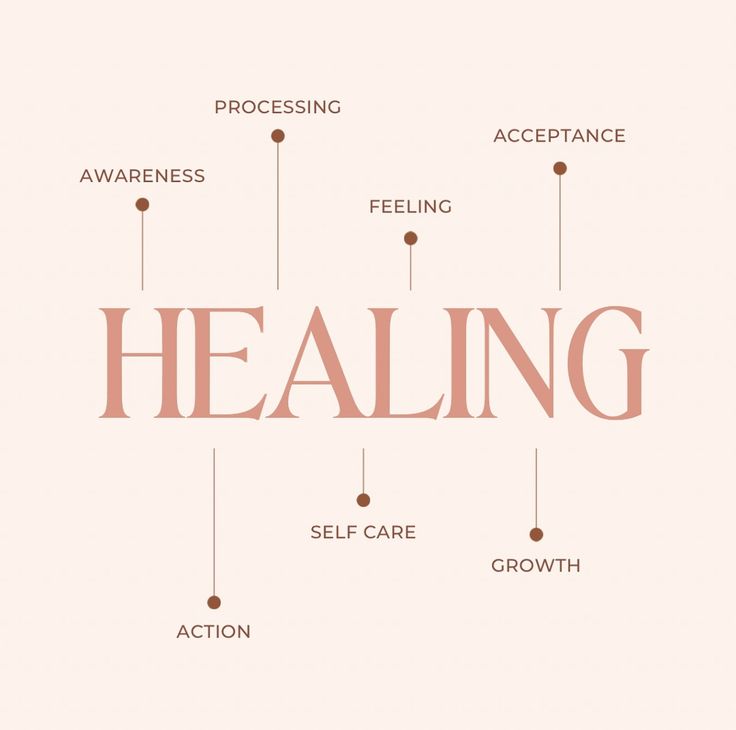
Healing didn’t fail us.
We failed at being honest about what we want.
Most of us don’t want answers ...
we want the story to end differently.
We keep diagnosing ourselves
instead of changing ourselves.
Maybe the problem was never healing…
maybe it was our resistance to truth.

-  Prachi Leheja

Healing has become one of those terms everyone casually uses now. You see it in captions, conversations, even in the way people explain their behavior. It feels like the entire generation suddenly decided to turn inward and diagnose everything. That is mature at first glance. In reality, it is simpler. Despite all this emotional vocabulary, most people are still stuck in the exact same place they began.

Because for most people, healing is not a commitment. It’s a convenience.
We’ve made it look like a routine therapy session. It involves journaling, establishing boundaries, detachment, inner work, or shadow work. It can be any new emotional trend circulating online. But emotionally? People are still reacting the same way, still choosing the same patterns, still breaking down over the same triggers.

The truth is, healing has become a comfort zone. It gives the illusion of progress without requiring actual change. People love the idea of working on themselves, but they don’t like the uncomfortable part that demands consistency and discipline. So they stay in a loop talking about healing more than doing the work.

Healing content is comforting. Actual healing isn’t.
And that’s why most people are no different now. They have not changed from the version of themselves they were months ago, despite all this emotional awareness.
The Closure Obsession We Love but Don’t Understand
Then there’s closure the most overused emotional concept of this generation. Everyone thinks they deserve it. Everyone thinks they need it. But nobody stops to question what they expect it to give them.
Closure sounds like this final, peaceful conversation that will tie up loose ends. But if closure truly fixed things, people wouldn’t still be hurting after getting it.
When someone says they want closure, they usually want reassurance. They want validation. They want the other person to admit, “Yes, it meant something.” Or “Yes, you mattered.” Or “Yes, I should’ve tried more.” In other words, closure is not about ending the story it’s about rewriting it.
People hold onto closure because it feels easier than acceptance. Acceptance is harsh. It doesn’t offer explanations. It forces you to look at reality without emotional cushioning. Acceptance demands emotional maturity, and honestly, that’s where many people fall short.
Closure is the comfortable fantasy.
Acceptance is the uncomfortable truth.
That’s why closure keeps people stuck it keeps them waiting for answers that won’t change anything. And deep down, most people are not waiting for closure. They’re waiting for a comeback. They want something to confirm their hope, not their reality.
We Know Everything About Ourselves Except How to Change
We know everything about ourselves. What we don’t know is how to change. One of the strangest contradictions of our generation is that we are emotionally aware but emotionally unchanged. We have the vocabulary triggers, trauma responses, red flags, attachment styles but awareness without action means nothing.
People can explain their issues better than any expert, yet their behavior remains the same. They know why they’re anxious but still act impulsively. They know they’re avoidant yet still run from conversations. They know they’re repeating patterns, but that doesn’t stop them from going back to the same situations.
This generation has turned psychological language into a shield. It’s easier to label something than to change it. And “I’m healing” has become the ultimate excuse. You can justify anything under that umbrella avoiding accountability, ghosting people, avoiding tough conversations, and keeping emotional distance.
Awareness is useful only if it leads to improvement. For many people, it doesn’t.
Emotional vocabulary doesn’t equal emotional maturity.
The Relationship Truth No One Wants to Say Out Loud
Let’s talk about the real reason most people are stuck in healing cycles. It’s usually about one person. It’s not a deep childhood wound. People think they’re healing from their past, when in reality, they’re stuck on someone from the recent past.
The unresolved feelings persist. The unspoken words linger. The almost-relationships all play a bigger role in today’s emotional landscape than anything else.
For a lot of people, healing is just an effort to get over someone they still care about. Someone who didn’t choose them, didn’t stay, or didn’t give the closure they expected.
And instead of accepting that the story ended, they start a whole healing journey around it. Healing becomes a method to avoid accepting emotional attachment. They are still emotionally attached to a person who is no longer in their life.
This isn’t generational trauma.
This isn’t emotional enlightenment.
This is heartbreak with a sophisticated vocabulary.
People don’t let go because the story mattered. And because letting go feels like losing a part of themselves.
The biggest misconception is expecting healing to erase emotions. Healing doesn’t erase anything. It doesn’t wipe away memories or undo attachment. It doesn’t guarantee that you’ll never miss someone again.
Healing teaches you how to live with what happened, not how to wipe it out.
But this generation expects healing to act like a reset button. So when feelings return or memories resurface, they assume something is wrong with them.
Nothing is wrong.
This is how human emotion works.
The real issue isn’t healing.
It’s the unrealistic expectations built around it.
People want healing to rewrite the past, make the pain logical, and make the story make sense.
It can’t do that.
Healing doesn’t give you the ending you wanted.
It just gives you the strength to stop chasing it.
So Why Is Our Generation Actually Stuck?
Because we hold on longer than we should.
Because we want clarity from the wrong people.
Because we want emotional growth without discomfort.
Because we’ve mistaken self-awareness for self-improvement.
Because we choose comforting narratives over confronting truths.
And most importantly
because letting go feels harder than holding on.
Not because we’re weak or damaged.
But because the story mattered to us, even if it didn’t matter to the other person in the same way.
And healing doesn’t erase that truth.
It just teaches you how to live with it without losing yourself.
"If this made you pause, think, or feel oddly called out, read more pieces like this on Lekha by Leheja."





Leave a Reply