The snow outside had turned to a thin drizzle, the kind that looks like smoke drifting across the road.
The mansion was quieter than usual when I arrived that evening. Most of the workers had gone for the weekend, and the only sound came from somewhere deep inside a slow ticking, maybe from an old clock.
Rayan greeted me at the door, sleeves rolled up, a small streak of paint on his wrist. “You’re early,” he said.
“I didn’t check the time.”
“Good habit,” he replied, stepping aside to let me in.
The air smelled of fresh varnish and something else wood dust, faintly metallic. The kind of scent that sticks to your clothes.
He showed me the new section they’d finished restoring. The hallway looked brighter, cleaner, the floors freshly polished. But the stillness had changed; it felt too contained, too aware of itself.
While he talked, I noticed the faint hum of a heater somewhere in the background, but the sound was uneven like something struggling to start. “That noise,” I said. “Is it the heater?”
He looked up as if listening for the first time. “Hmm. Probably. The wiring’s old.”
We walked farther down the hall. The light flickered once, just enough to make me pause. He didn’t seem to notice.
In one of the rooms, half the furniture was covered with sheets. I pulled one slightly aside and found a stack of books underneath hardcovers, their spines cracked and faded. The top one had a label: Meher Khanna.
“Your wife’s?” I asked before thinking.
He looked over. “Yes.”
He said it plainly, without hesitation or discomfort. “She loved collecting old editions. Used to read even when she wasn’t reading, if that makes sense.”
I smiled faintly. “I think it does.”
He walked over and ran a hand along the edge of the table. “You’d have liked her.”
Something about that made me uncomfortable not jealousy, not even curiosity. Just the way he said it, like he was certain.
I didn’t reply. Instead, I asked if I could make tea. He nodded and pointed toward the small kitchen space near the back.
Inside, it was cold, the window slightly open. I filled the kettle, waiting for it to heat. The hum from the heater reached this room too uneven, like a voice caught under water.
Then I heard something else. Faint, low, almost like humming.
It was soft enough that I thought I’d imagined it. But it was there again same tone, same rhythm, like someone singing far away.
“Rayan?” I called.
He appeared a moment later. “Yes?”
“Do you hear that?”
He tilted his head slightly, then smiled. “Ah, that. Old recordings. Meher used to record music. I play them sometimes when I work.”
The explanation was too smooth, too quick. “You play them on a loop?” I asked.
He nodded. “It helps me focus.”
He moved past me to close the window. “Wind carries sound strangely here. The walls echo. Don’t let it bother you.”
I nodded, pretending to believe him.
When I handed him his tea later, he looked at me for a moment too long before saying thanks. There was nothing in his expression I could name no warmth, no distance either. Just study.
We sat near the fireplace, and I told him about my class on emotional projection. He listened, quiet as always. When I mentioned that people often project what they miss most, he asked, “So if someone keeps remembering, that means they’re missing, right?”
“Yes,” I said. “Usually.”
He smiled slightly. “Then maybe remembering isn’t always bad.”
The hum from the heater continued in the background, rising and falling like breathing.
Later, when I was about to leave, he handed me a scarf. “It’s cold tonight,” he said.
I unfolded it … it was light brown, soft, and smelled faintly of something floral. The kind of scent that feels too personal.
“Thank you,” I said quietly.
“It was Meher’s,” he said. “She wouldn’t mind.”
I froze for half a second.
He added quickly, “You can borrow it. Return it next time.”
I nodded, even though I already knew I wouldn’t wear it.
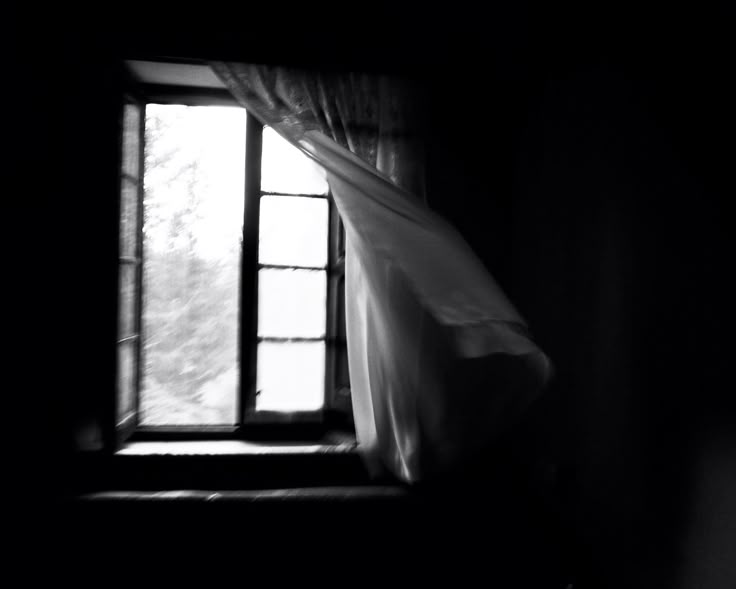
That night, I hung the scarf by my window at the guesthouse. When the wind came in, it moved slightly, just enough to make a soft brushing sound.
The next morning, I woke up convinced I’d heard humming again.
But this time, it wasn’t coming from the walls.
It was inside my head, looping faintly like a memory that didn’t belong to me.

Hello,
I’m Prachi

Welcome to Lekha by Leheja , a writer, observer and curator of ideas, Lekha by Leheja is a platform for stories, reflections,and perspectives that bridge culture, creativity and human experiences,insights that transcend borders, offering a space where ideas are shared, celebrated and remembered




Leave a Reply