Yesterday, I saw images that refused to leave my mind long after I put my phone down.
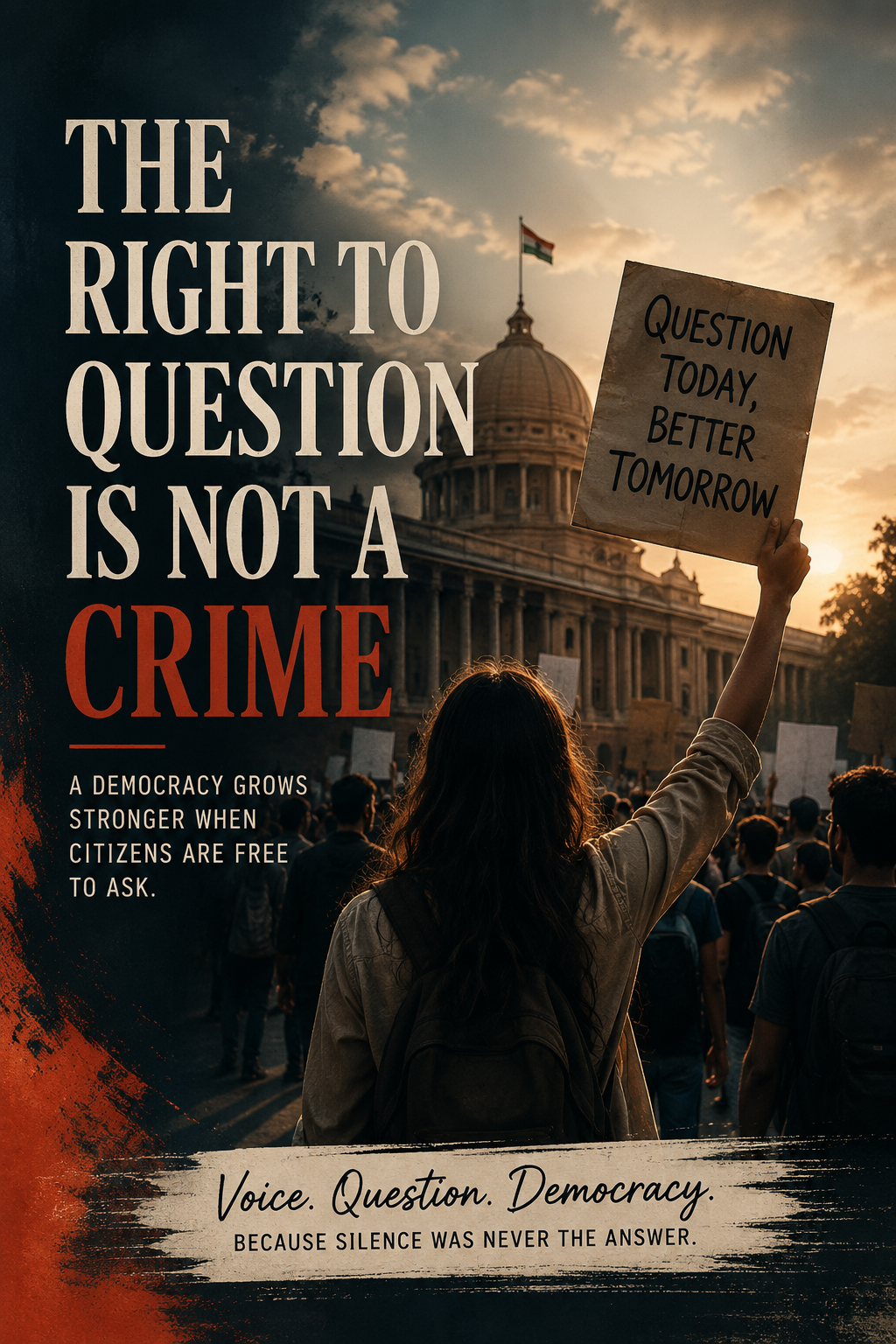
People who stepped onto the streets believing they had the right to question authority were met with barricades, detentions, and reports of police action during protests in Delhi. These were not just scenes from a news cycle; they were moments that demand attention, reflection, and honesty.
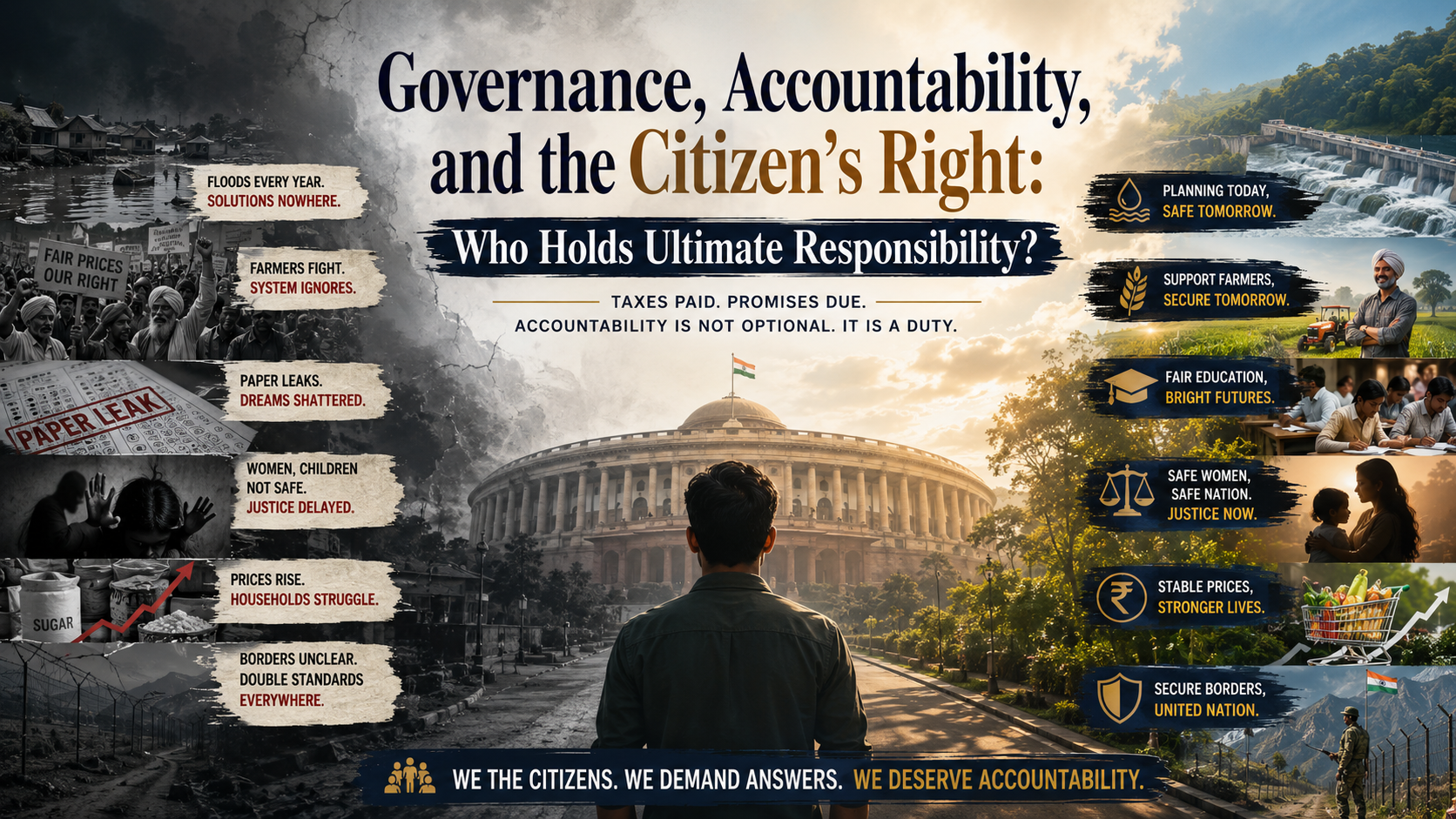
The immediate cause was the demand for accountability in the education system and calls for the resignation of the Union Education Minister following the controversy surrounding the NEET examination. But what unfolded went far beyond a single issue. It revealed a deeper unrest, a generation asking, with urgency and clarity: When our future is at stake, who is truly listening?
As a writer, I do not see my pen as a weapon. I see it as a witness but a witness that refuses to look away.
Democracy is not confined to the act of voting. It lives in the freedom to question, to dissent, to assemble peacefully, and to demand answers from those in power. These are not privileges granted at convenience; they are rights that define the very foundation of a democratic society.
Today, many young people feel a growing distance from institutions they once trusted. Some feel ignored. Others feel overshadowed. Whether every perception is accurate is not the point the intensity of their frustration is real, and it cannot be dismissed.
In moments like these, the role of journalism becomes critical. People depend on clear, independent reporting to understand what is happening around them. When that trust weakens, confusion grows, and the space for truth begins to shrink. A society that struggles to trust its sources of information risks losing its ability to understand itself.
This is not about declaring every protest right or every authority wrong. Public order matters. Responsibility matters. But so does the right to be heard. These principles are not opposites they must coexist.
And yet, when students leave their classrooms and take to the streets, it signals something deeper than disagreement. It signals urgency. It signals that something, somewhere, is not being heard the way it should be.
History reminds us that every generation eventually questions whether its institutions still deserve its trust. That moment is not a crisis it is a test.
As a writer, I do not claim to have all the answers.
But I refuse to ignore the questions.
Because when the voices of young people begin to fade, the answer cannot be silence.
The answer must be to listen carefully, honestly, and without fear.



Leave a Reply