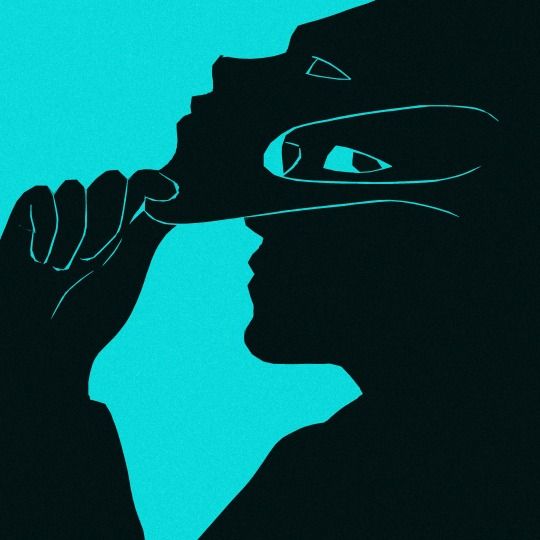
They call it virtue,
but it smells of fear
the fear of being seen
without their borrowed halos.

Everyone’s busy polishing mirrors
that never show their own faces.

And maybe honesty died
not because we lost it,
but because we stopped
recognizing its silence.
Everyone wants to look good these days.
Not be good just look the part. The new world order isn’t built on truth anymore; it’s built on optics. You post a charity story, share a quote about kindness, call out someone’s mistake boom, instant sainthood. You don’t need a conscience now, just Wi-Fi and a front-facing camera.
The Age of Performed Morality
I’ve seen people preach empathy with fangs still wet from gossip. I’ve seen “kind souls” tear others apart in group chats, then preach forgiveness in public. People wear morality like perfume strong enough for others to notice, but never deep enough to last. The louder someone talks about being righteous, the murkier their reflection usually is.
Society thrives on selective morality.
A man can cheat on his wife and still lecture a woman about modesty. Parents talk about “values” but forget that respect is a two-way street. Influencer preach “authenticity” while filtering every inch of their reality. The irony is exhausting. The same people who say “don’t judge others” are often the ones building thrones out of judgment.
And what’s worse?
We’ve made morality marketable. Outrage sells. Virtue signaling gets likes. Everyone’s rushing to sound “good” before they even try to be good. People don’t care about truth anymore; they care about how truth looks in public. Being good has become performance art, and everyone’s auditioning daily.
I once overheard a woman at a cafe. She was mocking a friend who went through a breakup. All this while claiming she “doesn’t believe in gossip.” Another time, a relative praised honesty but spent their entire life lying to protect their image. That’s the thing about moral hypocrisy it’s not dramatic or rare. It’s quiet, familiar, and everywhere.
When Truths Becomes the Enemy
The moment someone admits their flaws, society calls them immoral. But hide those flaws behind flowery words and a few curated posts, and suddenly you’re “a good person.” We don’t want truth anymore; we want theatrics. We’ve mistaken image for integrity, and noise for virtue.
True morality, though, is silent. It’s in the apology no one hears. The kindness no one posts about. The decisions made when there’s nothing to gain. But that doesn’t get applause it doesn’t trend, doesn’t make anyone famous. So we keep choosing the costume, again and again.
Sometimes, I wonder do we even remember what sincerity feels like? Or have we lived so long inside performances that realness now feels rebellious? Because in a world addicted to the illusion of goodness, authenticity feels like a scandal.
Maybe that’s what being “good” truly means now not pretending to be perfect, but daring to be honest. To say, “Yes, I mess up. Yes, I’ve failed. But I’m trying.” That’s morality stripped of filters.
So maybe it’s time we stop acting. Stop quoting values we don’t live by. Stop building altars of judgment to hide our own mess.
Because morality shouldn’t be a costume you wear when people are watching it should be skin. Real, flawed, human.
This show of sanctity seems endless. Maybe the only honest role left is the one where you finally walk off stage.
I’ve stopped expecting society to practice what it preaches. It’s easier to spot liars than listeners, and easier to find sermons than sincerity. Maybe that’s why I write. I write to remind myself and anyone still trying. Honesty doesn’t need to be perfect. It just needs to be real.
If this piece made you pause, even for a second, then maybe the mask slipped and that’s where truth begins.
— Prachi Leheja




Leave a Reply